















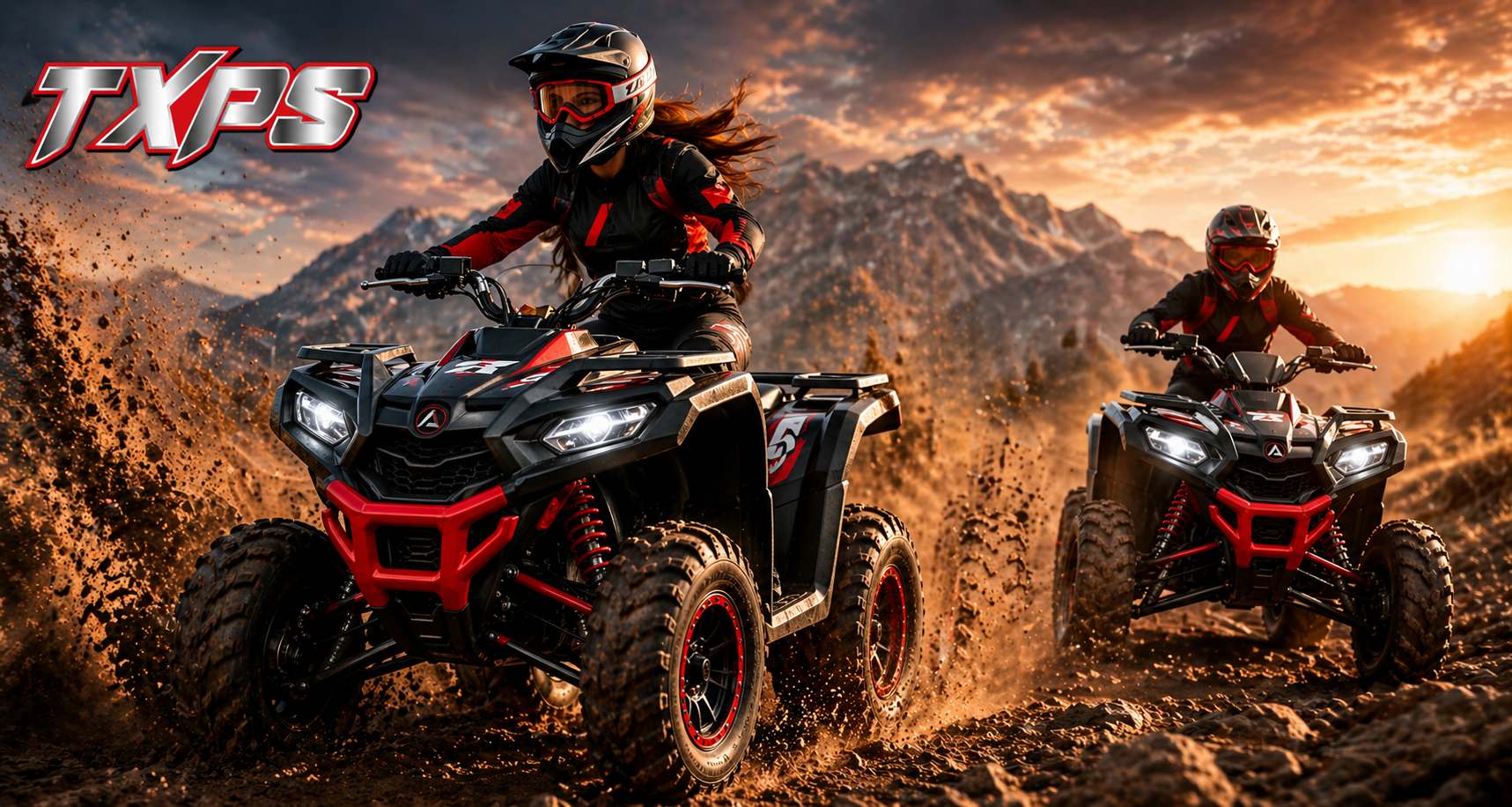
When you first start looking at ATVs or UTVs, it seems pretty straightforward. You just pick one, order it, and think you’ll be out riding in no time.
The regret usually shows up later, when the machine does not match what you actually needed.This usually happens because it’s easy to get caught up in brand names, how it looks, or how much power it has, instead of thinking about what you’ll really use it for. If you get the basics right from the beginning, the entire experience becomes easier and far more satisfying. This guide will help you avoid the usual mistakes and pick a ride that actually fits your needs from the start.
Step 1: Start With Your Real Purpose
This is the single most important decision in the entire process. Not the brand, nor the price, but the use case.
Before you even look at brands or engine sizes, figure out how you’ll really use your ATV or UTV.Price still matters, but it makes more sense after you understand your use case. Different types of machines naturally fall into very different price ranges.On top of that, the machine itself is only part of the total cost. First-time buyers usually spend a bit more on safety gear, basic setup items, and sometimes assembly help.
Most buyers fall into one of these groups:
Recreational riders: Weekend fun, trails, open land, light use
Property owners: Farm work, land maintenance, hauling light loads
Family or kids use: Smaller ATVs, controlled speed, beginner-friendly riding
Mixed-use buyers: A combination of work and recreation
Each group needs a different kind of machine. Picking the wrong one is probably the biggest reason people end up unhappy with their purchase.
Step 2: Choose Comfort Before Power
A lot of first-timers pick based on size or horsepower and end up regretting it.
More power does not automatically create a better experience. In fact, it often does the opposite for beginners.
Kids ATVs (50cc–110cc) : Best for beginners and lighter riding. Easy to learn and control.
- Low top speed (typically 15–35 mph depending on limiter)
- Lightweight frame for easy handling
- Simple throttle response
Mid-size ATVs (110cc–200cc range): Mid-size ATVs like the Apollo 125cc 4 wheeler offer the best balance for most first-time adult buyers. Practical and flexible.
- Suitable for light trail riding and property use
- Manageable power delivery
- Easier learning curve without being underpowered
Full-Size ATVs (250cc+): Designed for riders who are comfortable handling more power and want stronger performance for tougher terrain and heavier use.
- Better torque for hills, mud, and utility work
- More stable at higher speeds
- Requires more riding experience
UTVs: Best for utility work, passengers, and heavier tasks. Very capable but not always necessary for first-time riders.
- Designed for passengers, hauling, and utility work
- Often include roll cages, seat belts, and cargo beds
- Wider stance improves stability but requires more space
A machine that feels comfortable will always outperform a machine that feels overwhelming.
Step 3: Understand Setup and Delivery Reality
One of the biggest surprises for new online buyers is the delivery condition. Unlike dealership purchases, most machines arrive partially assembled in a crate.
Typical setup includes:
- Installing basic components
- Checking oil and fuel levels
- Tightening bolts and fittings
- Performing a safety inspection before first use
This is standard for most online purchases. It also helps you understand your machine better from day one.
If you’re not comfortable handling the setup yourself, you still have options. Many buyers use small engine repair shops, local ATV mechanics, or even mobile technicians to help with assembly.
Some models are also available in fully assembled and tested condition, which removes most of the setup work and gets you closer to a ready-to-ride experience.
Step 4: Maintenance Is Simple But Essential
You don’t need to be a mechanic to own one of these. You just need to keep up with the basics.
Basic maintenance schedule includes:
- Engine oil: every 20–50 hours of use (or per manual)
- Air filter: clean regularly, especially in dusty conditions
- Tire pressure: check before every ride
- Chain/belt: inspect and adjust periodically
- Bolts and fittings: re-check after first few rides
Most problems aren’t the machine’s fault, they happen when you skip the simple stuff. Just a few minutes of care saves a lot of headaches.
Over time, you should also expect normal wear items like brake components, chains, batteries, and tires to need replacement. These are not frequent, but they are expected in all small off-road vehicles and are not unique to any brand or retailer. However, regular care significantly extends engine life and performance reliability.
Must-Have Gear After Buying Your First ATV or UTV
Getting the ATV or UTV is just step one. After that, having the right gear makes everything safer and a lot more fun.
Safety gear: A DOT-approved helmet is a must. Goggles, gloves, and good shoes are worth picking up, too. Most places with four wheelers for sale have all this stuff.
Recovery equipment: Tow straps, a basic toolkit, and a winch for mud or trail use.
Storage based on your vehicle: ATVs typically need rack bags or cargo boxes due to limited space, while UTVs usually come with beds but can benefit from larger storage upgrades or organizers.
Protection upgrades: ATVs benefit more from skid plates and handguards because they take direct hits from terrain. UTVs, on the other hand, often lean toward bumpers, windshields, and roof add-ons for protection and comfort.
Transport Essentials: Whether it’s an ATV or UTV, proper ratchet straps and tie-downs are critical to avoid damage during hauling.
The Most Common First-Time Buyer Mistakes
Most people regret the same handful of things:
- Choosing too much power too early
- Buying a machine that is too large to handle comfortably
- Buying too small and outgrowing it quickly
- Focusing on the brand name instead of the actual use
- Expecting a fully assembled dealership delivery from an online purchase
- Underestimating setup, maintenance, and overall ownership costs
If you dodge even a couple of these, you’re already doing better than most first-timers.
What a Smart First Purchase Actually Looks Like
The best first four-wheeler isn’t the fanciest or the fastest. It’s the one that actually fits what you need. It should feel:
- Easy to control
- Comfortable from day one
- Suitable for your real usage
- Within your budget
- Simple to maintain
When these align, the machine stops feeling like a purchase and starts feeling like a usable tool or recreational vehicle. That is the real goal.
Frequently Asked Questions
1. Are ATVs and UTVs from TX Power Sports ready to ride when delivered
Most machines are not fully ride ready on arrival. They are shipped in a crate and require some basic assembly and setup. This usually includes installing parts, checking fluids, and tightening hardware before first use.
This is normal for online powersports retailers like TX Power Sports and is part of how lower pricing is possible compared to traditional dealerships.
2. Why are the prices lower than local dealerships
Pricing is lower because the dealership layer is removed from the process.
Instead of paying for showroom overhead, full in-store assembly, and multiple middlemen, the machine is shipped directly to the customer.
This direct-to-customer model is what allows TX Power Sports to offer more affordable entry-level ATVs and UTVs.
3. Do I need mechanical experience to assemble the ATV or UTV
No advanced mechanical experience is required. Most setup tasks are basic, such as attaching parts, checking fluids, and doing a general safety inspection. Many buyers complete the setup themselves, while others choose basic local assistance if they prefer.
4. Is buying an ATV or UTV online safe?
Yes, as long as you understand the process. Buying from an online retailer like TX Power Sports is common in the powersports industry. The key difference is that delivery and setup are handled differently compared to a dealership.
The machine itself is the same type of product, just sold through a direct shipping model.
5. Is there a warranty or support available after purchase?
Yes, ATVs and UTVs from TX PowerSports come with a limited warranty. Engine components are typically covered for up to a year, with shorter coverage on other parts.
Like most powersports vehicles, the warranty mainly applies to manufacturer defects and requires proper setup and maintenance to remain valid.
Support, replacement parts, and troubleshooting are available, which helps keep ownership manageable even for first-time buyers.
6. Do these ATVs and UTVs require a lot of maintenance?
No. They require basic and consistent maintenance. This includes oil checks, tire pressure monitoring, and general cleaning after use. Most issues are avoided simply by following basic upkeep routines.