




















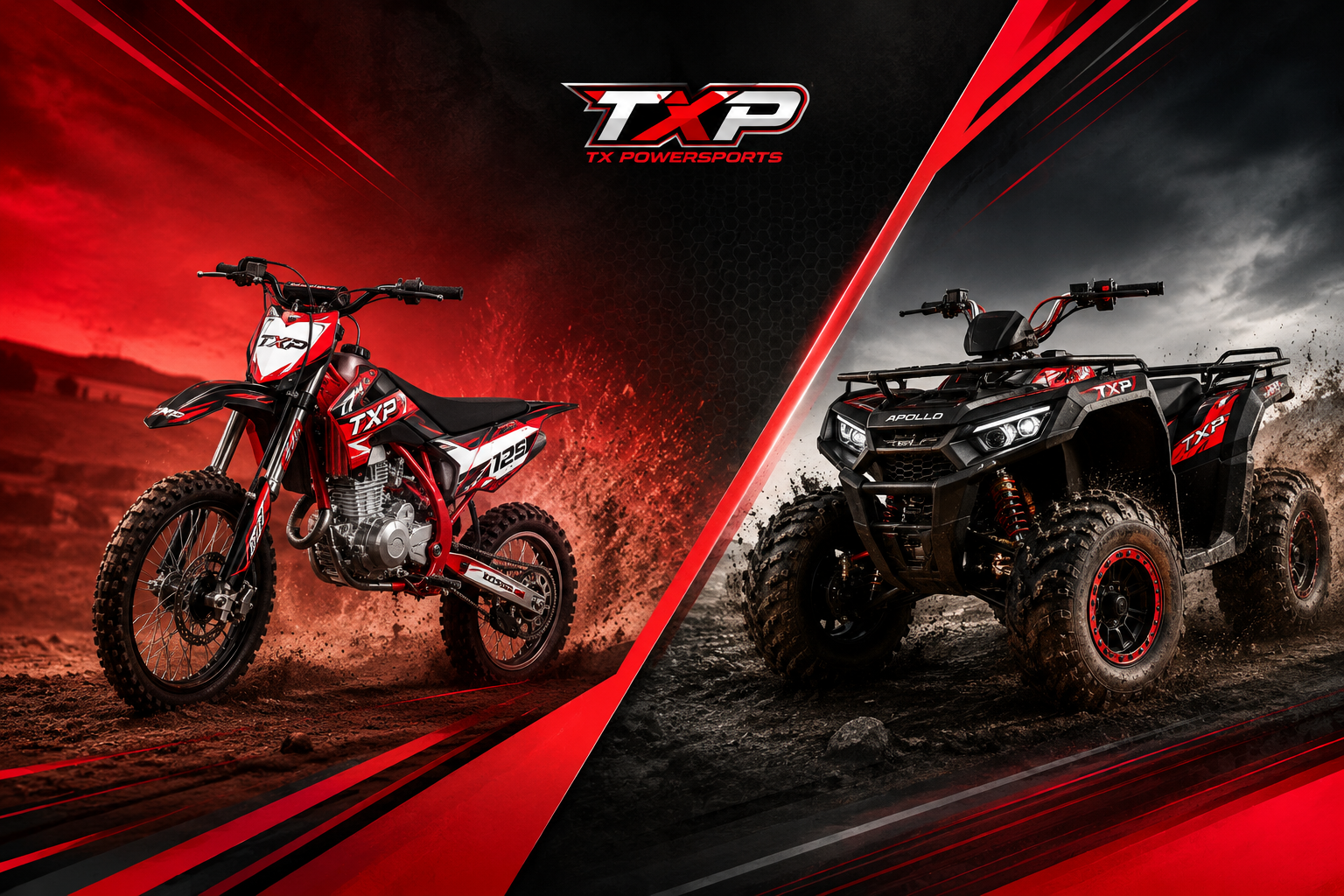
Buying a dirt bike is exciting. Waiting for it to arrive is even more exciting. For many new Apollo DB-X18 owners, the first instinct is to uncrate the bike, add fuel, and head straight for the nearest trail. That's understandable. After all, you've been researching bikes for weeks, watching YouTube reviews, comparing models, and imagining that first ride. If you've also been considering an Apollo 125cc 4-wheeler for family trail adventures, many of the preparation tips in this guide are equally useful.
But here's something experienced Apollo owners will tell you: the hour you spend preparing your bike before its first ride can save you days of frustration later. This isn't unique to Apollo. Even riders who own premium motorcycles routinely inspect new bikes before riding. The difference is that budget-friendly dirt bikes tend to benefit more from a careful setup process.
The good news is that none of it requires advanced mechanical skills. In fact, most of the checks covered in this guide can be completed with basic hand tools and a little patience. Think of it this way: your first hour with the bike shouldn't be spent riding. It should be spent getting to know the machine you're about to trust on the trail.
First Ride Isn't Actually the Most Important Part
Most dirt bike buyers focus heavily on the purchasing decision. They compare prices, read reviews, and watch countless videos. What often gets overlooked is that ownership starts the moment the bike arrives.
The Apollo DB-X18 has earned a loyal following because it delivers strong value for the money, but one theme consistently appears in owner discussions: riders who spend time inspecting and setting up their bikes tend to have better experiences than those who simply fuel up and ride.
That doesn't mean the bike is unreliable. It means treating the setup process seriously can prevent small issues from becoming bigger ones later. Because a loose fastener discovered in your garage is an inconvenience, but a loose fastener discovered halfway through a trail ride is a different story.
Gather a Few Basic Tools Before You Start
You don't need a professional workshop to perform a proper inspection.
A few essentials are enough:
- Metric socket set
- Metric wrench set
- Screwdrivers
- Tire pressure gauge
- Chain lubricant
- Threadlocker (medium strength)
- Clean rags
- Flashlight
If you plan on owning dirt bikes long term, these tools will quickly pay for themselves.
Start With a Complete Visual Inspection
Before touching a wrench, spend a few minutes simply looking over the bike.
Many issues are easiest to spot before the machine gets dirty.
Pay close attention to:
- Plastics and body panels
- Brake lines
- Wiring connections
- Fuel lines
- Wheels and spokes
- Suspension components
You're not looking for perfection.
You're looking for anything that appears obviously out of place. Even experienced riders are surprised by how often a quick visual inspection catches something that could have become a problem later.
Check Every Critical Fastener
Ask ten experienced Apollo owners for advice, and you'll probably hear the same recommendation from most of them:
Check the bolts.
Not because Apollo bikes are falling apart. But because dirt bikes experience vibration, vibration can loosen hardware over time.
The DB-X18 is no exception.
Focus on critical areas such as:
- Handlebar clamps
- Triple clamp bolts
- Foot pegs
- Brake components
- Engine mounts
- Exhaust mounting points
- Rear sprocket bolts
- Chain adjusters
This process takes time, but it's one of the highest-value maintenance habits you can develop. Many riders apply medium-strength threadlocker to important fasteners during this initial inspection for added peace of mind.
Check and Adjust Chain Tension
Chain adjustment is one of the most overlooked setup items among new riders. A chain that's too loose can derail, and a chain that's too tight can create unnecessary wear on drivetrain components.
Neither scenario is ideal. Refer to your owner's manual for the recommended chain slack and make adjustments before the first ride if necessary.
While you're there, inspect:
- Chain alignment
- Sprocket condition
- Lubrication
Getting this right from the beginning will help maximize the lifespan of your drivetrain.
Verify Every Fluid
One of the most common recommendations among experienced DB-X18 owners is simple:
Don't assume. Verify and before riding, check:
Engine Oil
Confirm the oil level is correct according to the manufacturer's recommendations. Some owners
choose to perform an early oil change shortly after the break-in period,
regardless of factory fill condition.
Fuel System
Inspect fuel lines and fittings.
Look for signs of leakage or loose connections.
Brake Fluid
Ensure both front and rear braking systems feel firm and operate correctly. Brakes are not the area where assumptions should be made.
Set Tire Pressure for Your Riding Conditions
Many riders underestimate how much tire pressure affects performance.
The correct pressure can improve:
- Traction
- Handling
- Rider confidence
- Comfort
The ideal setting depends on terrain, rider weight, and riding style.
Trail riders often use different pressures than motocross riders.
Rather than assuming the tires arrived perfectly adjusted, verify them yourself before heading out.
Get Familiar With the Controls
One of the biggest mistakes new riders make is waiting until they're on the trail to learn how the bike feels.
Spend time in the garage adjusting:
- Clutch lever position
- Brake lever position
- Throttle feel
- Handlebar angle
A properly fitted bike feels more predictable and easier to control.
You May Also Want to Check: Apollo 125cc 4-wheeler
Understand the Break-In Period
Every new engine experiences a break-in period.
The exact recommendations vary, but the goal remains the same: allow components to wear in properly before subjecting the engine to continuous hard use.
One mistake many riders make is treating break-in as either:
- Ride it gently forever.
- Ride it like a race bike immediately.
The truth usually falls somewhere in the middle.
Avoid prolonged operation at a single RPM, allow the engine to experience varying loads, and give components time to settle. Most importantly, resist the urge to spend the first afternoon bouncing off the rev limiter.
Your future self will thank you!
The First Oil Change Matters A Lot
Ask experienced riders about the most important maintenance task after purchasing a new 125cc dirt bike, and oil changes will quickly enter the conversation.
The first oil change is especially important because it removes particles generated during the break-in process.
Many owners choose to perform this service earlier than they would a routine oil change.
It's inexpensive, straightforward, and one of the best investments you can make in the bike's long-term health.
The Most Common Mistake New Owners Make
Surprisingly, it's not mechanical. It's expectation management.
Some buyers purchase the DB-X18 expecting Honda-level refinement at a significantly lower price.
That's setting the bike up to fail.
The Apollo's appeal has always been value. Owners who understand that tend to be the happiest.
They appreciate what the bike is designed to do:
- Deliver affordable fun
- Provide an accessible entry into dirt biking
- Offer a platform that can be upgraded over time
Upgrades Many Owners Eventually Consider
One interesting thing about Apollo ownership is how many riders enjoy personalizing their bikes.
Not because upgrades are mandatory, but because dirt bike enthusiasts rarely leave anything completely stock.
Common upgrades include:
- Handguards
- Better grips
- Chain upgrades
- Performance air filters
- Improved tires
- Stronger handlebars
Most owners don't rush into these modifications immediately. Instead, they ride the bike first and identify areas they'd personally like to improve.
Build Good Habits Early
The riders who get the most from their DB-X18 often share one characteristic. They treat maintenance as part of the hobby rather than a chore.
That doesn't mean spending every weekend in the garage. It means developing a few simple habits:
- Check the bike after rides
- Keep the chain clean and lubricated
- Inspect fasteners periodically
- Change fluids on schedule
- Address small issues before they become larger ones
These habits improve reliability regardless of the brand written on the fuel tank.